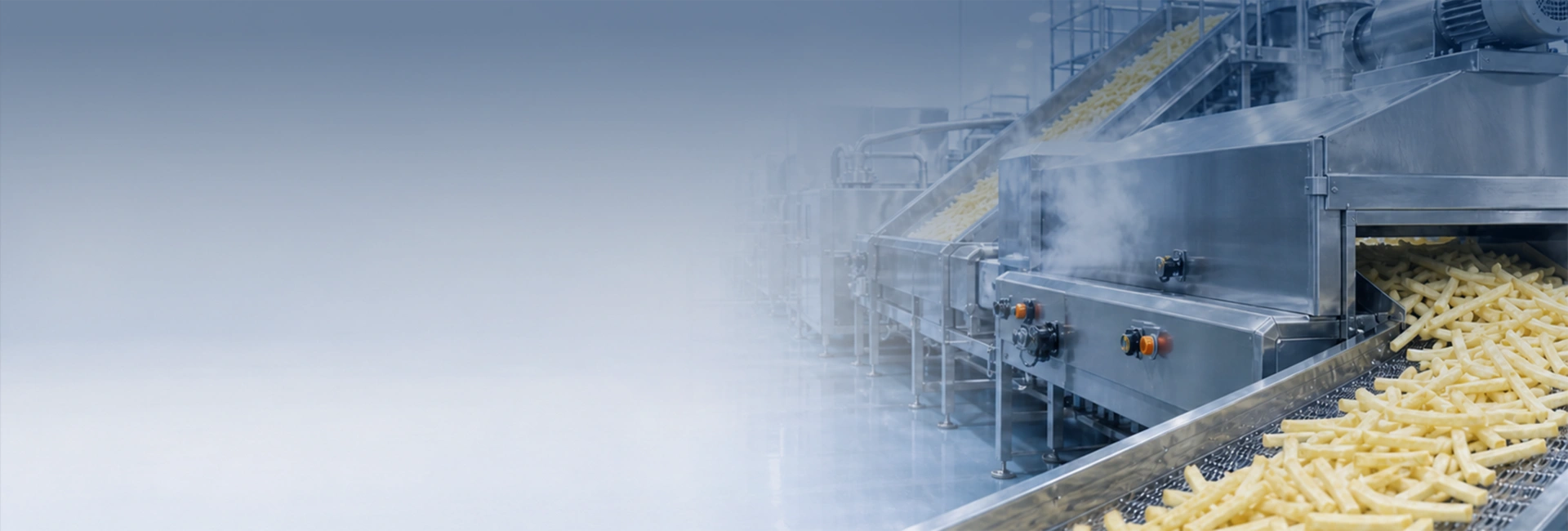
Choosing the right food production line is an important decision for any food manufacturer. The right equipment can improve production efficiency, maintain product quality, reduce labor costs, and support long-term business growth. Before investing in food processing equipment, manufacturers should evaluate their product requirements, production capacity, factory layout, and budget.
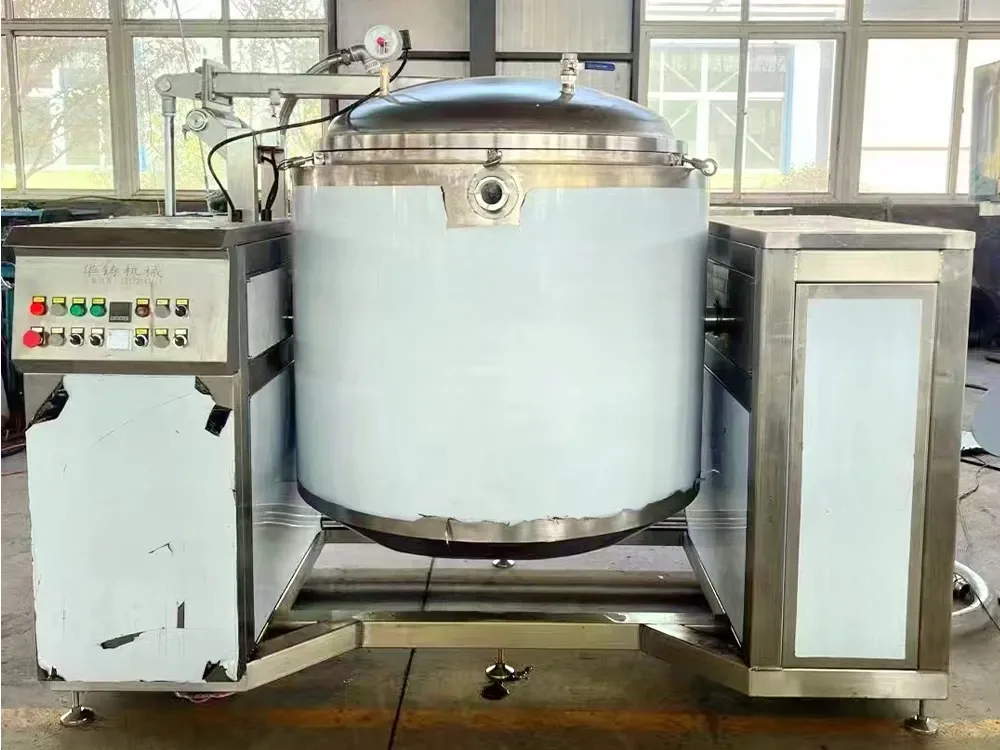
1. Identify Your Product and Processing Requirements
The first step is to determine which products you want to manufacture and how they should be processed. Different products require different equipment configurations.
For example, a French fries production line typically includes potato washing, peeling, cutting, blanching, frying, freezing, and packaging equipment, depending on the final product. A potato chips production line may require precise slicing, washing, frying or baking, seasoning, and packaging systems.
For fruit and vegetable manufacturers, vegetable processing equipment such as washing machines, peeling machines, cutting machines, blanching machines, and drying systems can help create an efficient processing workflow.
Clearly defining your products and processing methods helps prevent unnecessary equipment purchases and ensures that the production line meets your actual needs.
2. Choose the Right Production Capacity
Production capacity is another key factor when selecting a food production line. Consider your target output per hour, expected market demand, available raw materials, and future expansion plans.
A small processing plant may benefit from a semi-automatic production line, while a large manufacturer may require a fully automated system with continuous feeding, processing, and packaging.
Choosing suitable food processing plant equipment helps balance investment costs with production efficiency. Equipment capacity should also be coordinated across individual machines to avoid bottlenecks.
3. Evaluate Factory Layout and Operating Costs
Before purchasing food processing equipment, measure your available installation area and confirm the required utilities, including electricity, water, steam, and refrigeration where applicable.
You should also evaluate energy consumption, labor requirements, cleaning procedures, maintenance costs, and food hygiene standards. A well-planned layout can improve material flow, reduce unnecessary handling, and make daily operation easier.
4. Select a Reliable Food Processing Equipment Manufacturer
Working with an experienced manufacturer helps ensure that equipment specifications match your production requirements. Look for a supplier that offers technical consultation, customized solutions, installation guidance, spare parts, and after-sales support.
HUAZHU MACHINERY provides food processing equipment solutions, including French fries production lines, potato chips production lines, and vegetable processing equipment.
By evaluating your products, capacity, budget, and factory conditions, you can choose a suitable food production line that supports efficient and reliable manufacturing. Contact HUAZHU MACHINERY to discuss your processing project and equipment requirements.

Telephone: +86-15064488800
Mail: [email protected]
Address:Huazhu Machinery Co., Ltd., Zhucheng City, Weifang, Shandong, China
Copyright © 2026 by Zhucheng Huazhu Machinery Co., Ltd. All Rights Reserved